Tirzepatide vs Semaglutide: SURMOUNT-1 vs STEP 1 Head-to-Head
The two most compared GLP peptides in research. SURMOUNT-1 vs STEP 1 data, mechanism differences, and what the 5.1% additional weight loss gap actually means.
Tirzepatide vs Semaglutide: What the Trial Data Actually Shows
Tirzepatide and semaglutide are the two most compared incretin peptides in metabolic research. The headline numbers are well-known — but understanding why tirzepatide outperforms semaglutide requires going beyond the headlines into the mechanism and the trial designs.
The Trial Comparison
| Data Point | Semaglutide (STEP 1) | Tirzepatide (SURMOUNT-1) |
|---|---|---|
| Year published | 2021 (NEJM) | 2022 (NEJM) |
| Participants | 1,961 | 2,539 |
| Duration | 68 weeks | 72 weeks |
| Max dose studied | 2.4 mg/week | 15 mg/week |
| Mean weight loss (max dose) | −14.9% | −22.5% |
| ≥5% loss | 86.4% | 91.0% |
| ≥10% loss | 69.1% | 79.0% |
| ≥15% loss | 50.5% | 68.0% |
| ≥20% loss | 32.0% | 57.0% |
| Discontinuation | 7.3% | 9.5% |
The absolute difference at the 20%+ threshold is striking: 57% vs 32% — nearly double the proportion of participants achieving major weight reduction with tirzepatide.
The GIP Receptor: What It Actually Adds
Semaglutide is a GLP-1 monoagonist. Tirzepatide adds GIP receptor agonism. To understand the performance difference, you need to understand what GIP does that GLP-1 cannot.
GLP-1 Receptor (Both compounds)
GLP-1 receptor activation produces:
- Hypothalamic satiety: Activates POMC/CART neurons, inhibits NPY/AgRP neurons → reduced appetite
- Gastric emptying: Delays gastric motility → prolonged satiety
- Insulin secretion: Glucose-dependent potentiation of beta cell insulin release
- Glucagon suppression: Reduces hepatic glucose output
GIP Receptor (Tirzepatide only)
GIP receptor activation adds:
In adipose tissue:
- GIP receptor is highly expressed on adipocytes
- Activation improves insulin sensitivity in fat cells
- Result: Adipocytes properly respond to insulin-driven fat mobilization → enhanced lipolysis
- In semaglutide-treated patients, adipose insulin resistance can limit fat mobilization even when caloric intake is reduced — GIP directly addresses this
In pancreas:
- GIP potentiates glucose-stimulated insulin secretion beyond GLP-1 alone
- Additive effect on beta cell function
In brain:
- GIP receptors in the hypothalamus and brainstem contribute additional satiety signaling
- The dual central mechanism produces stronger, more sustained appetite suppression than GLP-1 alone
Net effect of adding GIP: Approximately 5-8% additional weight reduction, with particular benefit in patients who are GLP-1 partial-responders.
Complete Research Protocol
Research-grade tirzepatide (dual GIP/GLP-1 agonist) with bacteriostatic water reconstitution solution — third-party tested, ≥98% purity.
Head-to-Head Studies: What They Show
Several studies have directly compared the compounds:
SURPASS-CVOT (2023): Direct cardiovascular outcomes comparison in 17,000+ patients. Tirzepatide showed superior reduction in major adverse cardiovascular events vs semaglutide 1mg — though this used a clinical dose, not research doses.
SURMOUNT-5 (2024): First direct weight loss head-to-head in obesity. 2.4mg semaglutide vs 10-15mg tirzepatide. Tirzepatide produced approximately 47% more weight reduction. Confirmed the trial data comparison is real, not just trial design artifacts.
Responder Analysis: Where the Difference Concentrates
The 5% average gap understates the clinical difference. Looking at high-responder rates:
- ≥25% loss: Tirzepatide achieves this in approximately 32% of participants; semaglutide in roughly 15%
- ≥30% loss: Emerging in tirzepatide data; essentially absent in semaglutide Phase 3
For researchers studying maximum metabolic intervention, tirzepatide consistently produces a higher ceiling of achievable weight reduction.
When to Use Each Compound
Semaglutide for:
- Established GLP-1 reference data (most published papers use semaglutide)
- Cardiovascular outcome research (SUSTAIN-6 CV data, 10+ year follow-up literature)
- Single-receptor mechanistic studies isolating GLP-1 effects
- Cost-sensitive protocols
Tirzepatide for:
- Dual incretin mechanism studies (GIP contribution to GLP-1 effects)
- Maximum weight loss protocols within current approved compounds
- Head-to-head comparisons with semaglutide
- Adipose tissue insulin sensitivity research
Conclusion
The GIP receptor addition in tirzepatide is not incremental — it produces a fundamentally different metabolic response. SURMOUNT-5's direct comparison confirms approximately 47% more weight loss vs semaglutide, driven primarily by enhanced adipose tissue insulin sensitivity and additive central satiety signaling.
For researchers focused on the biology of dual vs single incretin agonism, or those studying maximum achievable weight reduction with current GLP peptides, tirzepatide's data set is definitively superior.
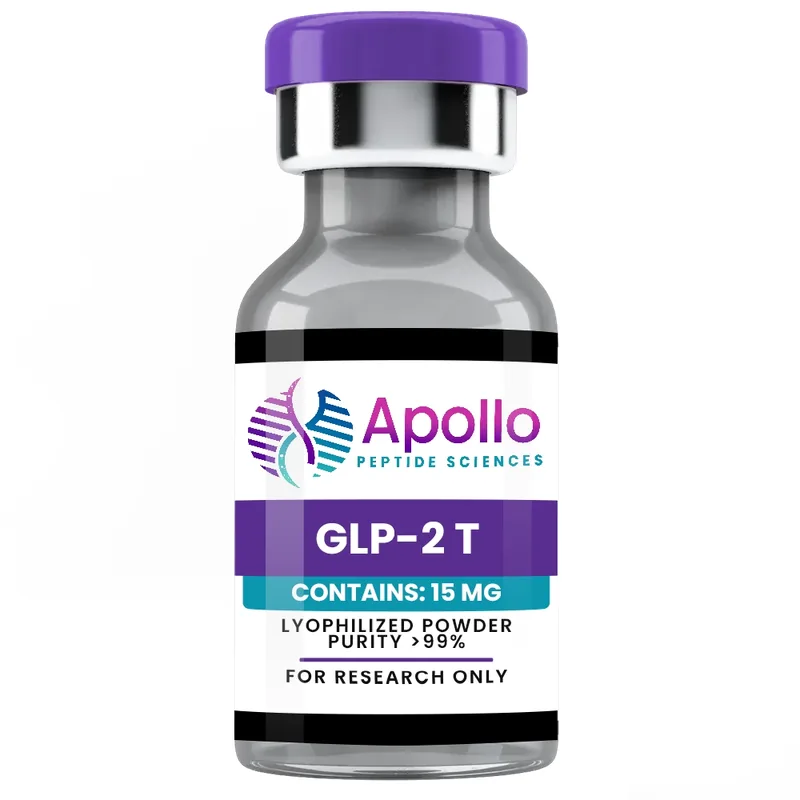
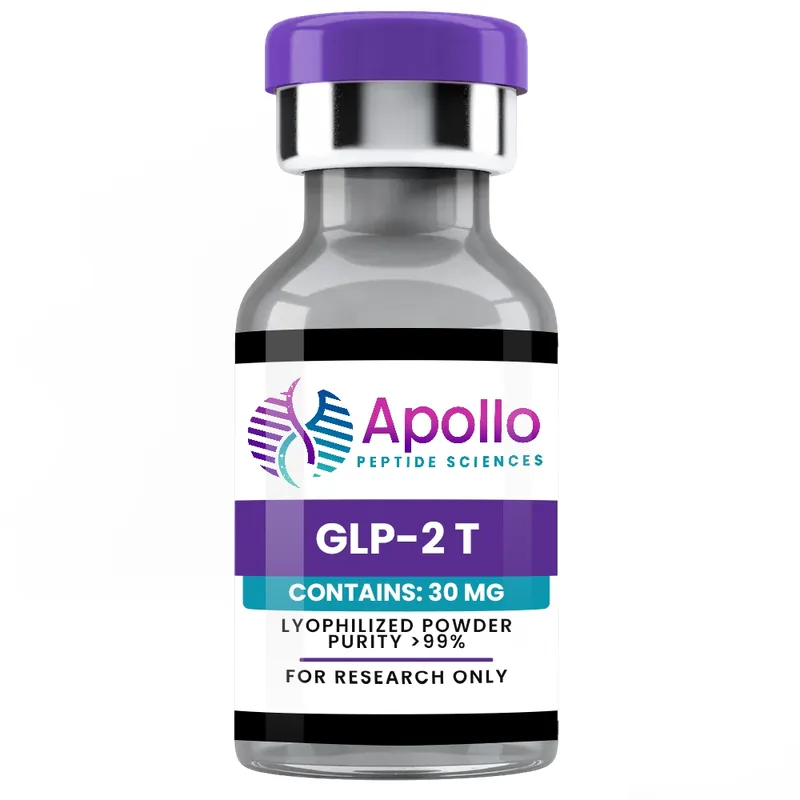
Tirzepatide (GLP-2 T) 15mg, 30mg, and 60mg available from Peptide Scientists. >98% HPLC purity, sourced from Apollo Peptide Sciences.
Explore Research Compounds
Research-grade tirzepatide dual agonist and bacteriostatic water reconstitution solution. Third-party tested, ≥98% purity guaranteed.