GIP/GLP-1 Dual Agonism:
The Science Behind Tirzepatide's Dual Receptor Targeting
Tirzepatide is the first approved GIP/GLP-1 dual receptor agonist. Understanding how two incretin pathways interact — and why their combined activation outperforms either alone — is foundational to interpreting the SURMOUNT and SURPASS trial data.
Research Specifications
The Two Receptor Systems: GLP-1R and GIPR
Both receptors belong to the class B GPCR (glucagon receptor) family and signal through Gs-coupled cAMP pathways — but their tissue distribution, downstream effects, and physiological roles differ substantially.
Glucagon-Like Peptide-1 Receptor (GLP-1R)
GLP-1 is secreted by L-cells in the distal small intestine and colon in response to nutrient ingestion. Native GLP-1 has a half-life of approximately 2 minutes before degradation by DPP-4. Receptor agonists extend this dramatically via structural modification.
- Glucose-dependent insulin secretion from pancreatic β-cells
- Glucagon suppression from α-cells
- Slowed gastric emptying — reduces postprandial glucose excursions
- Hypothalamic satiety signaling via arcuate nucleus
- Reduced food reward in dopaminergic circuits
Key limitation of GLP-1 monotherapy: GLP-1R expression in adipocytes is minimal. Weight loss from GLP-1R agonists alone is primarily centrally mediated — via appetite suppression — rather than through direct fat mobilization.
GIP Receptor (GIPR)
GIP is secreted by K-cells in the proximal small intestine (duodenum and jejunum). Responsible for approximately 50% of the total incretin effect on insulin secretion. For decades, GIPR was considered a secondary therapeutic target — tirzepatide's clinical results overturned that view.
- Potent insulin secretagogue — ~50% of the incretin insulin response
- Direct action on adipocytes: promotes lipolysis in fasted metabolic state
- May attenuate GLP-1-associated nausea via peripheral GIPR activation
- Bone metabolism effects: GIPR expressed on osteoblasts
- Central energy homeostasis via hypothalamic and brainstem GIPR
The adipocyte mechanism: GIPR on adipocytes directly drives lipolysis — free fatty acid mobilization from stored triglycerides — particularly in visceral and subcutaneous compartments. This is mechanistically distinct from GLP-1's central appetite suppression.
Synergistic Effects of Dual Agonism
The combination of GLP-1R and GIPR activation produces effects that exceed what either agonist achieves in isolation — a phenomenon confirmed across every SURPASS and SURMOUNT trial arm.
Supra-Additive Insulin Secretion
GLP-1R and GIPR converge on pancreatic β-cells through separate cAMP-PKA pathways. Simultaneous activation produces insulin secretion responses greater than the sum of individual receptor effects, improving postprandial glycemic control more efficiently than either agonist alone.
Adipocyte-Level Lipolysis via GIPR
While GLP-1 suppresses appetite centrally, GIP receptor activation drives adipocyte lipolysis directly. In the fasted state, GIPR signaling promotes triglyceride breakdown and free fatty acid release. This fat-tissue-direct mechanism explains the preferential fat mass loss seen in SURMOUNT body composition sub-analyses (~75–80% of weight lost was fat mass).
Reduced GI Side Effects at Therapeutic Doses
One proposed mechanism of GIPR co-agonism is attenuation of GLP-1-induced nausea. GIPR activation in peripheral tissues may modulate the GI motility effects of high-dose GLP-1R agonism, enabling better tolerability. In SURPASS-2, tirzepatide demonstrated higher efficacy than semaglutide 1mg with comparable GI tolerability.
Central Satiety Amplification
Both GLP-1R and GIPR are expressed in hypothalamic nuclei — including the arcuate nucleus, which governs energy balance. Co-activation of both receptor populations in satiety circuits may produce additive or supra-additive reductions in food intake beyond what centrally-acting GLP-1R agonism alone achieves.
Visceral Adipose Tissue Reduction
MRI and DEXA sub-studies from the SURPASS program demonstrated preferential reduction of visceral adipose tissue (VAT) — the metabolically active fat depot that drives insulin resistance and cardiovascular risk. VAT reduction exceeded what would be predicted from total weight loss alone.
SURMOUNT-1: Dual Agonism Efficacy Data
SURMOUNT-1 (N=2,539) is the landmark Phase 3 obesity trial for tirzepatide, published in the New England Journal of Medicine in 2022. Participants were adults with obesity (BMI ≥30) without type 2 diabetes, randomized to once-weekly tirzepatide or placebo.
5mg
−15.0%
body weight at 72 wks
10mg
−19.5%
body weight at 72 wks
15mg
−22.5%
body weight at 72 wks
Placebo
−3.1%
body weight at 72 wks
91%
of 15mg participants achieved ≥5% weight loss
57%
achieved ≥20% weight loss at 15mg
~75–80%
of weight lost was fat mass (body comp sub-analysis)
Source: Jastreboff AM et al. Tirzepatide Once Weekly for the Treatment of Obesity. N Engl J Med. 2022;387:205–216.
Tirzepatide vs. Semaglutide: Why Dual Agonism Outperforms GLP-1 Monotherapy
SURPASS-2 (NCT03987919) provides the only direct head-to-head Phase 3 comparison of tirzepatide versus semaglutide (1mg), published in NEJM in 2021. The results are unambiguous across every dose arm studied.
| Treatment | HbA1c Reduction | Weight Loss |
|---|---|---|
| Tirzepatide 5mg | −7.6% | −7.8 kg |
| Tirzepatide 10mg | −8.2% | −9.3 kg |
| Tirzepatide 15mgBest | −8.1% | −11.2 kg |
| Semaglutide 1mg | −7.2% | −5.7 kg |
Key Finding: 5.5 kg More Weight Loss at 15mg
Tirzepatide 15mg produced 5.5 kg greater weight loss than semaglutide 1mg at 40 weeks. All three tirzepatide doses showed statistically superior HbA1c reduction versus semaglutide. The GIPR co-agonism component is the primary mechanistic explanation — it adds adipocyte-level lipolysis and potential tolerability advantages that GLP-1 monotherapy cannot achieve.
Ozempic/semaglutide comparison context: Semaglutide (Ozempic, Wegovy) is a pure GLP-1R agonist. STEP-1 (semaglutide 2.4mg for obesity) showed −14.9% mean weight loss at 68 weeks versus SURMOUNT-1's −22.5% at the maximum tirzepatide dose — a ~7.6 percentage point advantage for dual agonism even at a higher semaglutide dose than used in SURPASS-2.
Research Specifications: Structure & Chemistry
Tirzepatide (LY3298176) was rationally designed to achieve simultaneous high-affinity binding at both the GIP and GLP-1 receptors through a single 39-amino-acid peptide backbone with a C20 fatty diacid side chain modification.
C20 Fatty Diacid Side Chain
The defining structural feature of tirzepatide is a C20 fatty diacid side chain attached via a linker to the K26 residue. This modification enables non-covalent albumin binding (t½ albumin ~3 weeks), extending the peptide half-life from ~2 minutes (native GLP-1) to approximately 5 days — enabling once-weekly subcutaneous dosing. The same strategy was used for semaglutide's C18 chain.
Dual Receptor Binding Architecture
GLP-1R binding is mediated primarily by the C-terminal helix (residues 15–39), while GIPR binding requires the N-terminal region (residues 1–14). Both receptor subtypes are class B GPCRs. The crystal structure demonstrates balanced affinity at both receptors — unlike earlier dual agonist attempts that showed bias toward one target.
Key Specifications
Reconstitution Reference
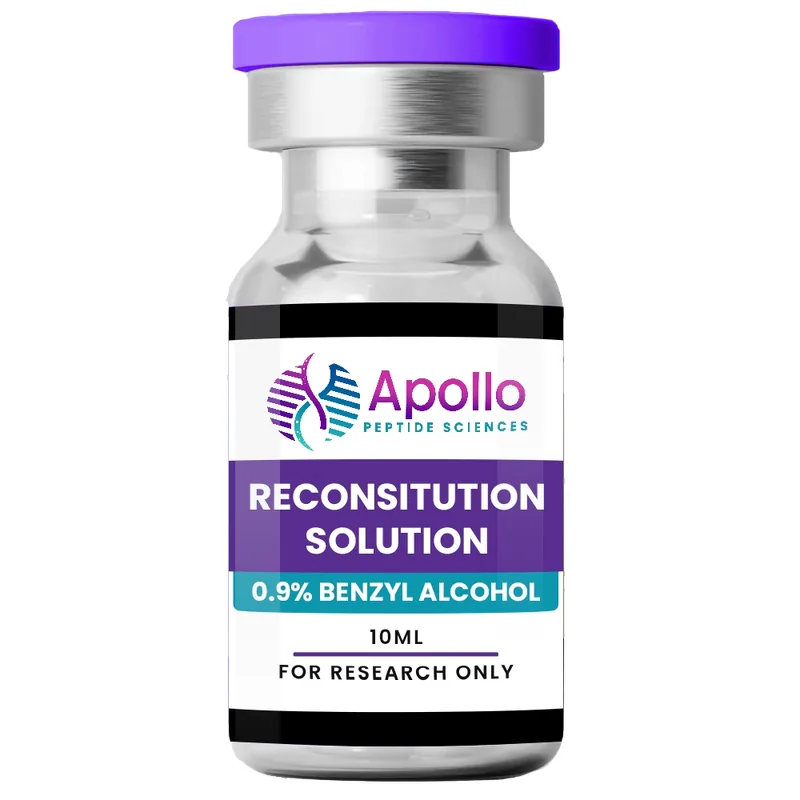
Lyophilized tirzepatide is stable at −20°C for 12+ months. After reconstitution with bacteriostatic water (0.9% benzyl alcohol preserved), the solution should be stored at 4°C and used within 4 weeks. The reconstituted solution should appear clear and colorless to slightly yellow; discard if cloudy or particulate matter is visible.
Concentration reference: 10mg vial + 2mL BAC water = 5mg/mL. A 0.5mg aliquot requires 0.1mL draw.
Research-Grade Tirzepatide
≥98% purity by HPLC. CAS 2023788-19-2. Supplied as lyophilized powder. Third-party CoA available. For laboratory research purposes only.
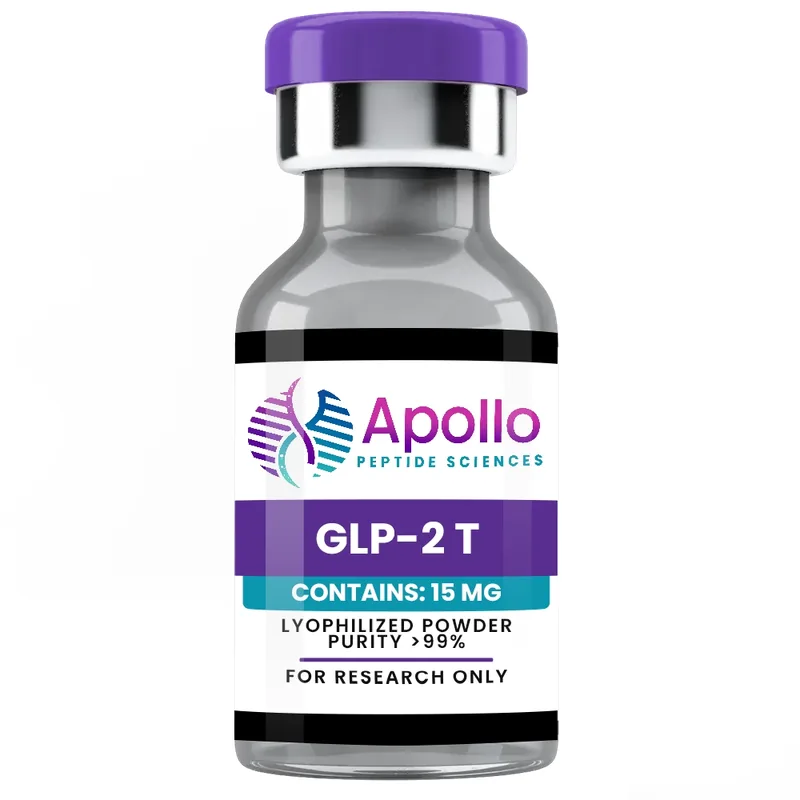
GLP-2 T 15mg
Tirzepatide dual GIP/GLP-1 receptor agonist, 39 amino acids with C20 lipidation. Supplied as lyophilized powder for laboratory research applications.
CAS: 2023788-19-2
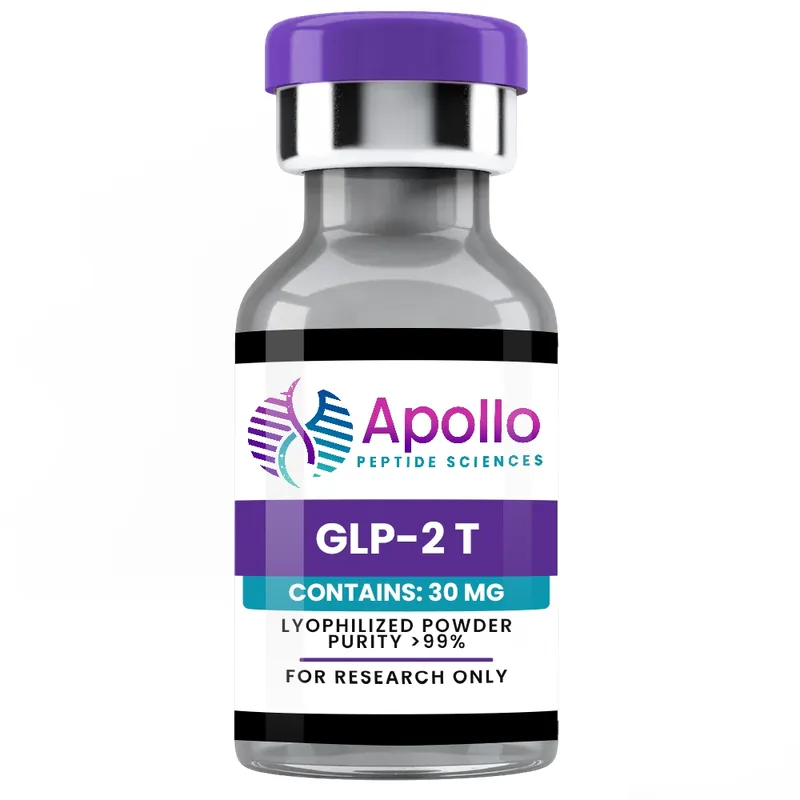
GLP-2 T 30mg
Tirzepatide 30mg — dual GIP/GLP-1 receptor agonist. Supplied as lyophilized powder for laboratory research applications.
CAS: 2023788-19-2
Research FAQ: GIP/GLP-1 Dual Agonism
What makes tirzepatide a dual agonist?
Tirzepatide simultaneously binds and activates both the GLP-1 receptor (GLP-1R) and the GIP receptor (GIPR). Both are class B GPCRs that signal through cAMP. Its 39-amino-acid sequence was engineered so the N-terminal region engages GIPR and the C-terminal helix engages GLP-1R, with balanced affinity at both targets.
Why does dual GIP/GLP-1 agonism produce more weight loss than GLP-1 alone?
GLP-1R agonism produces weight loss primarily through central appetite suppression and slowed gastric emptying. GIPR agonism adds direct adipocyte-level lipolysis — fat mobilization at the tissue level — plus potential attenuation of GLP-1-associated nausea, enabling effective dosing. SURPASS-2 demonstrated 5.5 kg more weight loss than semaglutide 1mg head-to-head.
What does the C20 fatty acid side chain do?
The C20 fatty diacid side chain attached at K26 enables non-covalent albumin binding. Since serum albumin has a half-life of ~3 weeks, albumin-bound tirzepatide avoids rapid renal clearance and DPP-4 degradation. This extends tirzepatide's half-life from ~2 minutes (native GLP-1) to approximately 5 days — sufficient for once-weekly dosing.
What were the SURMOUNT-1 weight loss results?
SURMOUNT-1 (N=2,539, 72 weeks, obesity without T2D): Tirzepatide 5mg −15.0%, 10mg −19.5%, 15mg −22.5% body weight vs. placebo −3.1%. At the 15mg dose, 91% of participants achieved ≥5% weight loss and 57% achieved ≥20% weight loss.
How does tirzepatide compare to semaglutide (Ozempic/Wegovy)?
SURPASS-2 head-to-head showed tirzepatide 15mg produced 11.2 kg weight loss versus semaglutide 1mg at 5.7 kg — a 5.5 kg advantage. Comparing obesity trials (SURMOUNT-1 vs STEP-1), tirzepatide 15mg showed −22.5% versus semaglutide 2.4mg at −14.9% — approximately 7.6 percentage points greater, even at a higher semaglutide dose.
What are the research specifications for tirzepatide?
Molecular weight: 4813.5 Da. CAS: 2023788-19-2. Sequence: 39 amino acids. Side chain: C20 fatty diacid at K26 residue. Half-life: ~5 days. Receptor targets: GLP-1R + GIPR. Research grade: ≥98% purity by HPLC. Supplied as lyophilized powder; requires reconstitution with bacteriostatic water before laboratory use.
GIP/GLP-1 Dual Agonist Research
Research-grade tirzepatide — CAS 2023788-19-2, MW 4813.5 Da, ≥98% purity by HPLC. Lyophilized powder for laboratory reconstitution and research applications.